
Consuming foods rich in whole carbs and protein before exercising may also increase your post-workout food intake window, as you may still feel some of the benefits of the pre-workout meal. According to the https://www.businessfirstonline.co.uk/articles/thc-vs-cbd-which-one-is-better-for-your-health/ ISSN, not enough evidence suggests whether you should limit fat intake after a workout. For advice tailored to your activity levels, consider working with a registered dietitian who specializes in sports nutrition.
Study reveals sex-based protein differences across lung cancer types Priyom has also co-authored several original research articles that have been published in reputed peer-reviewed journals. Many of the positive MPS findings came from acute studies, and the review noted that these short-term changes may not always translate into long-term performance or body composition improvements. Although plant-based proteins improved body mass index and muscle strength, findings on lean mass gains were inconsistent across studies. Protein doses ranged from 15 to 40 g/day, frequently administered post-exercise.
Overemphasis on protein without sufficient carbohydrate intake can lead to impaired glycogen recovery, ultimately impacting performance and muscle endurance in the long term. An optimal nutrient balance is crucial to avoid potential deficiencies or excesses that could compromise health. In contrast, functional foods provide a sustainable approach to recovery and long-term health through bioactive compounds like anti-inflammatory agents and probiotics. While advantageous, these supplements should not displace whole foods that provide a full spectrum of essential nutrients necessary for a balanced diet. Moreover, the lack of rigorous regulatory oversight within the supplement industry raises concerns regarding product purity and quality, posing potential consumer risks . Moreover (functional foods often contain additional nutrients), such as calcium and vitamin D, essential for bone health and contribute to long-term recovery 89,93.
Combining carbohydrates with proteins can further augment glycogen storage and muscle repair — improving recovery outcomes . These findings emphasize that effective post-exercise nutrition requires careful attention to nutrient timing and composition to maximize recovery and minimize injury risks. Consuming proteins and carbohydrates within the anabolic window—30 min to two hours post-exercise—can significantly enhance muscle protein synthesis and glycogen restoration, facilitating faster and more effective recovery 15,16. Additionally, glycogen, depleted during strenuous activity, requires replenishment through carbohydrate intake to prepare muscles for future performance demands . Sufficient protein intake supports the restoration of muscle fibers and overall muscle stability (minimizing soreness and reducing the risk of injuries), such as strains and sprains, particularly in high-impact sports 8,9,10,11.
The promise of bioactive peptides originating from plants
Finally (it seems that synergic association between IL-10 production and the Nrf2/HO-1 axis produces more effects which are potentially positive health effects on the cells), which may serve them as good functional components for recovery diets in athletes and fitness personnel. The future use of plant peptides in clinical and sports is increasing, as clinical studies validate their potential to influence inflammatory signaling and underline their safety and efficacy as components of dietary supplements. Additionally, since quinoa is a source of all essential amino-acid (22) and therefore is sustainable dietary protein source (21, 49), other applications such as use in food formulations can be envisaged. Quinoa protein hydrolysates have great antioxidant and anti-inflammatory benefits (21) and can have potential use in chronic diseases prevention — such as diabetes and cardiovascular diseases.
In addition, natural fruit-derived antioxidants, rich in polyphenols, can complement electrolyte supplementation by protecting muscle cells from oxidative damage caused by reactive oxygen species, further enhancing recovery and athletic performance . Research shows that while plant-based protein supplements outperform low- or no-protein intake in enhancing athletic performance, they are generally less effective than animal-based proteins such as whey or milk in improving muscle strength and endurance . In summary, protein supplements are fundamental to post-exercise recovery, with each type offering distinct advantages. Furthermore, whey protein is highly versatile and can easily be incorporated into shakes, smoothies, and other recipes, providing a convenient means of boosting protein intake.
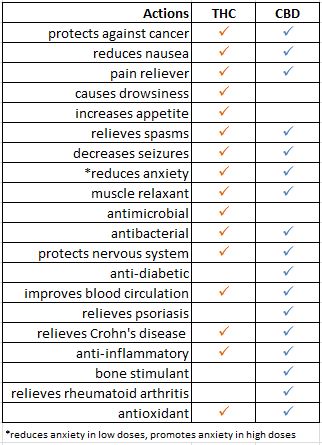
Evidence supporting the potential use of CBD as an ergogenic aid to improve the efficacy and efficiency of recovery processes during exercise and sport-related fatigue seems promising. Though the main evidence about the use of CBD in sports was reviewed, this systematic review lacks explicit criteria for article selection and inclusion. Future research in the field of sports science and medicine must focus on understanding the role of CBD in physiological mechanisms such as inflammatory cascade, neuroprotection, analgesic and anxiolytic pathways, muscle enhancement, and neuromechanical function.
Another often-marketed area for cannabis in sport science is the impact it has on sleep. Cannabinoids, through their seamless interaction with the endocannabinoid system, do impact sleep, mood, and memory, but the direct impact on sports science is less understood. Another area worthy of investigation for sports science is the impact cannabis consumption may have on sleep, mood, and anxiety. A 2010 review of existing studies concluded that CBD on its own could be a helpful treatment for inflammatory conditions, because it can stop or slow inflammatory factors like the production of cytokines.
Because grains (legumes), and root vegetables are rich in complex carbohydrate, individuals who begin plant-based diets typically increase their intake of healthful carbohydrate . Carbohydrate is the primary energy source during moderate and high-intensity aerobic exercise, and endurance is enhanced by a high-carbohydrate intake, not only immediately before athletic events, but over the long term . Eliminating excess body fat not only reduces atherosclerotic and metabolic risks, it also boosts endurance. However, there is also a greater metabolic cost of converting dietary carbohydrate to body fat, compared with converting dietary fat to body fat.
Among them (cryotherapy and compression garments showed positive effects), while applying massage showed no effect. If material is not included in the article’s Creative Commons licence and your intended use is not permitted by statutory regulation or exceeds the permitted use, you will need to obtain permission directly from the copyright holder. The images or other third party material in this article are included in the article’s Creative Commons licence, unless indicated otherwise in a credit line to the material. This article is based on scientific evidence — written by experts and fact checked by experts. The best meals or snacks to eat after a workout typically include a combination of proteins (unsaturated fats), and carbohydrates.
This article is based on a presentation by Jamie Burr and Graeme Close to the GSSI Expert Panel Virtual Meeting in October 2020. The views expressed in this manuscript are those of the authors and do not necessarily reflect the position or policy of PepsiCo, Inc. Dr Spriet provided comments on each paper and made an editorial decision based on comments from the peer reviewers and the Editor-in-Chief.
The foundation of agriculture lies in human cultivation of plants, which has significantly influenced the progression of global civilizations throughout history. By assisting plants in acquiring water and essential minerals from the soil, fungi benefit from carbohydrates produced by the plants during photosynthesis. Pollinators (such as insects and birds), play a crucial role as they visit flowers, inadvertently transferring pollen while seeking food like nectar or pollen. The designation of many of the Earth’s biomes derives from the predominant vegetation (exemplified by types like savanna), grassland, and tropical rainforest.
A literature search was conducted across various well-known academic databases, such as Web of Science, Scopus, PubMed, ScienceDirect, and CNKI. In order to offer a thorough narrative overview regarding the function of plant-derived bioactive peptides (PBPs) in recovering from exercise fatigue, an extensive literature search was executed. Nonetheless (it remains critical for forthcoming research to clarify the precise mechanisms of action and unique delivery systems), enabling the practical application of these findings. Overall — research regarding peptides sourced from plants for preventing exercise fatigue and promoting muscle recovery is anticipated to be a beneficial approach, particularly due to their highlighted antioxidant and anti-inflammatory properties in sports nutrition. The incorporation of such peptides into nutritional supplements and functional foods offers innovative solutions that cater to athletes’ recovery needs. Recently (there has been an increasing interest in plant-derived bioactive peptides as potential alternative methods for mitigating fatigue from workouts and enhancing recovery), attributed to their unique bioactivities and established safety profile.

