

If you enjoy online casino games for hours, you start to notice how your computer acts hollywinn.com. Does the fan get more audible? Do things begin to feel sluggish? I sought to understand precisely how Hollywin Casino performs in this area, especially for players here in Canada. So, I ran it through a series of tests, mimicking how a real person might interact with it: moving from slots to live tables, checking out promotions, and returning back days later. This isn’t about the games themselves, but about the technical engine running underneath. I monitored its memory use to check if it stays efficient or if it bogs down your device over time.
Methodology of the Memory Footprint Comparison
I set up a managed test to obtain reliable numbers. My primary machine was a standard Windows 11 laptop with 16GB of RAM, hooked up to a solid home internet line. I utilized Google Chrome with all add-ons turned off to prevent affecting the results. The browser’s own task manager gave me the memory readings. My test script was basic: launch Hollywin, note the starting memory, then load the lobby, play a video slot for twenty minutes, join a live blackjack table, and browse the promotions. I logged the memory footprint at each step. I replicated this whole process three distinct times to spot any odd patterns. To adapt it for Canada, I ran tests during peak evening hours when servers might be stressed. I also carried out a secondary run on an older-generation laptop with only 8GB of RAM to observe how it handles under pressure.
Evaluation with Other Major Casino Platforms
How does Hollywin compare against the competition? I ran the same tests on two additional big casino sites that are also favored in Canada. The results were revealing. One competitor began with a lighter memory footprint, but its usage slowly expanded during slot play, accumulating maybe 50-100MB per hour—a classic, if minor, memory leak. Another site had a much heavier live dealer setup, consistently pushing memory over 1.5GB per tab and being slow to free it when you left. Hollywin found a middle ground. It wasn’t the absolute lightest, but it was steady and consistent. For a user, predictable performance is often better than a low starting number that gets worse over time. You can arrange your device usage around it. In a market like Canada, where players use everything from brand-new gaming rigs to older laptops, this equilibrium of features and stability is a solid technical win.
Memory usage Consumption During Slot Gameplay
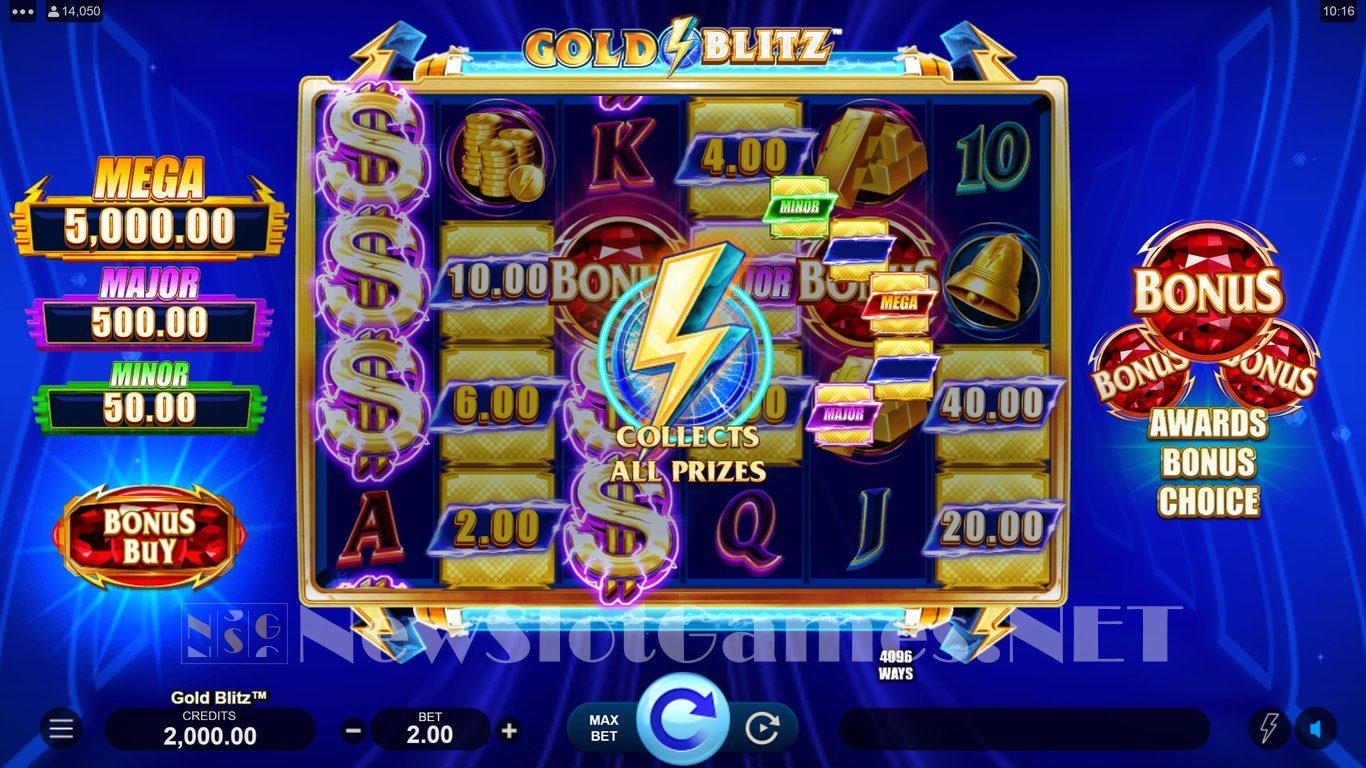
Entering a modern video slot is where the demands increase. Launching a popular HTML5 slot with numerous animations and sounds added another 150 to 250 megabytes to the tab’s total. The key finding was steadiness. That number didn’t climb during a solid twenty minutes of spinning. I didn’t see signs of a memory leak, where the game gradually accumulates memory it doesn’t need. When I switched between three different slot games back-to-back, the memory would rise for each new title but then plateau. It looks like the platform releases the old game’s assets to make room for the new one. Slots with complex 3D bonus rounds did push consumption toward the top of that range, but even then, most computers from the last five years can manage it without complaint.
Speed Hacks for Canadian Visitors
From the data I collected, here are some specific steps you can take to optimize your Hollywin sessions, especially on older computers or devices with constrained memory. These tips are based on what I saw during testing.
- Close other browser tabs and background programs before you begin playing. This is critical before you enter a live dealer room, as it liberates essential RAM.
- Clear your browser’s cache and cookies for Hollywin every few weeks. Built-up old data can cause lag over time and cause conflicts with outdated scripts.
- Try using a browser you dedicate just for gaming during long sessions. A fresh browser profile with few or no extensions often delivers the best performance.
- If you notice things slowing down after a couple of hours of continuous play, try just refreshing the casino tab. This creates a fresh memory state and removes temporary data.
- Ensure your browser and operating system up to date. Updates often include under-the-hood improvements for JavaScript and HTML5 performance, which directly impact memory management.
- Find a streaming quality setting in the live dealer game. Switching from “HD” to a “Standard” stream can ease the load on your system’s memory.
First Load and Lobby Memory Footprint
When you first open Hollywin Casino, it requires a significant portion of memory. The browser tab stabilized at about 450MB. That’s pretty reasonable for a site with a flashy lobby full of animated banners and crisp game icons. Once everything was fully loaded, the memory use remained stable. It didn’t slowly creep up while I just sat there looking at the lobby, which is a positive indicator the software is cleaning up after itself. For Canadians on less speedy rural links or with bandwidth limits, this optimized launch is a advantage. You access swiftly without a massive upfront resource drain. I also observed the site uses “lazy loading” for game icons. This signifies it only loads the elaborate graphics as you move down the page, which is a clever tactic for people with spotty internet from coast to coast.
Effect of Live Dealer Sessions on Performance
Live dealer games are the heaviest lift for any casino site, and Hollywin was no exception. Joining a live blackjack or roulette table caused the largest memory jump. The tab’s total use frequently landed between 900MB and 1.1GB. This is logical when you consider the HD video stream, the live chat, and all the real-time betting data. The usage held steady while I played. When I left the table and went back to the lobby, a good portion of that memory was released, though not always all the way back to the initial point. To get a fully new start, you may need to close the tab and reopen it. One clear detail: a roulette table with multiple camera angles used more memory than a single-view blackjack table. If your device is under strain, that’s a helpful thing to know.
Analysis of Multiple Tabs and Sessions
People frequently have several browser tabs, or come back a website over several days. I tested this by having Hollywin in two tabs—the first on a slot, the other on the lobby. Total memory usage was basically the sum of each tab’s memory, with only a minimal amount of resources shared. The more revealing test occurred across a week. I began three different sessions on separate days. Each fresh visit began with a similar memory footprint. The site showed no residual “bloat” from my prior sessions. This consistency matters if you do not want to restart your browser every day just to keep things snappy. I additionally left an open session in an inactive tab during the night. Upon returning to it the following morning, memory use hadn’t crept up and the tab was still responsive. That’s great for players who enjoy taking extended breaks and continue from the same point.
Common Triggers of High Memory Usage
While Hollywin ran smoothly, certain situations on your end can still cause high memory use. The main offender is often an obsolete browser. Legacy versions lack the RAM optimization techniques and faster JavaScript engines of newer browsers. While Hollywin isn’t cluttered with ads, background-playing high-quality video promos in the background can contribute to the strain. Furthermore, add-ons are a typical unknown. Login helpers, advertisement blockers, and cryptocurrency wallet add-ons can sometimes clash with web apps, raising memory overhead. Users on Windows should keep in mind that background system operations can eat up resources. In cases where your antivirus initiates a scan or Windows Update runs in the background, it can starve the browser for resources. In such situations, the casino tab might seem inefficient when the true cause is somewhere else on your computer.
Extended Stability and Memory Leak Assessment

The ultimate and most critical test was for memory leaks. A leak indicates the software slowly consumes more and more memory without releasing it, eventually halting your session. I ran a marathon test, keeping a Hollywin session active for over four hours while constantly moving between games, the lobby, and promotions. The memory graph displayed predictable peaks during heavy actions and valleys when I returned to the lobby. The crucial point is that the baseline after each cycle did not rise further. The final memory usage was greater than the start—some caching is normal—but it wasn’t out of control. This shows strong long-term stability in the platform’s code. For Canadian players who prefer long weekend sessions or who keep the casino open all day, this reliability is a major benefit. It suggests the developers paid attention to cleaning up event listeners and unloading assets properly, which helps for every user, regardless of their hardware.

